Overview
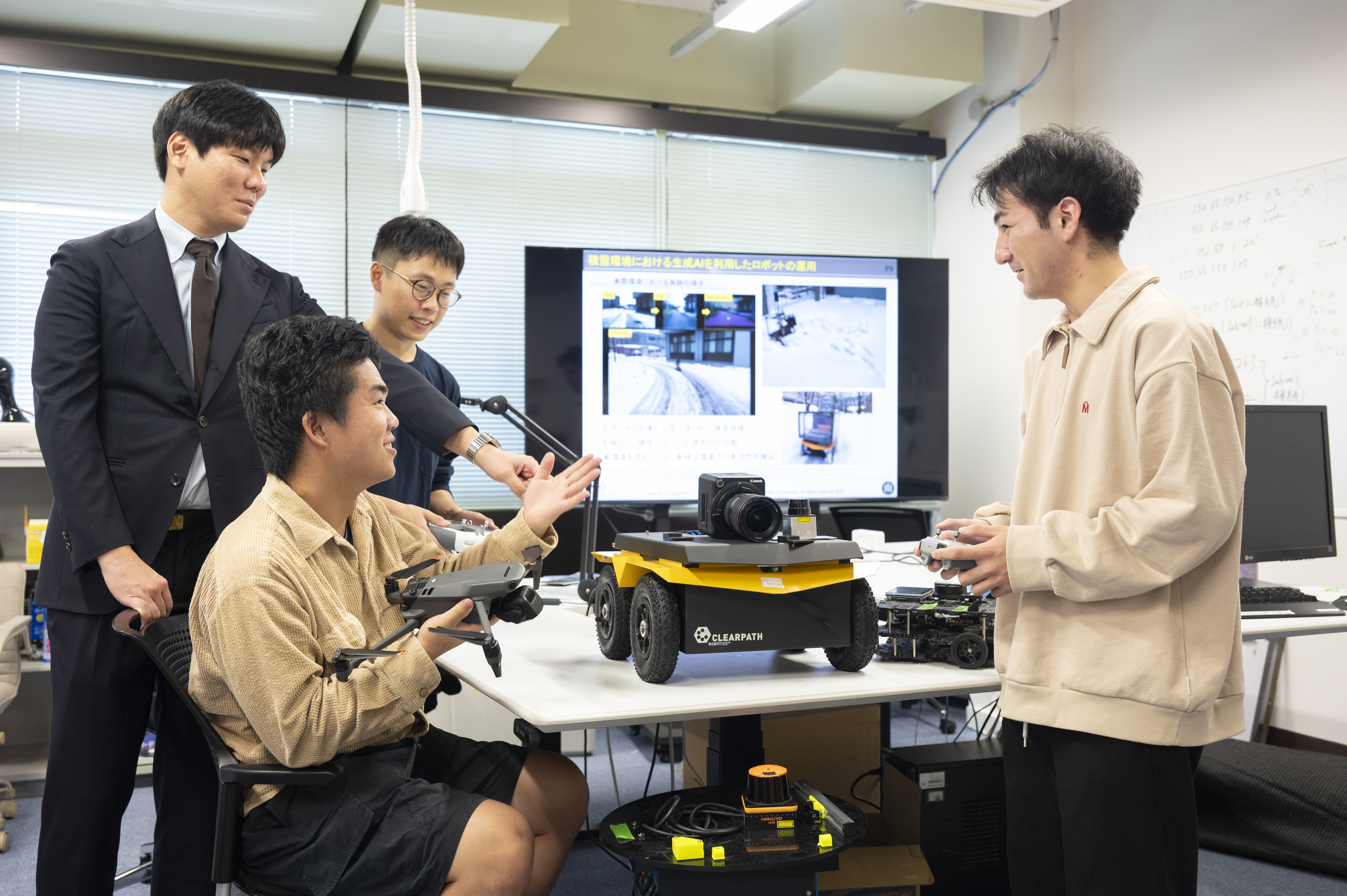
The Neuromorphic Sensing Team pioneers brain-inspired computing architectures that revolutionize how robots process information. By emulating the structure and function of biological neural networks, we develop energy-efficient, adaptive systems capable of real-time learning and decision-making in dynamic environments.
Research Focus
Our research spans spiking neural networks (SNNs), neuromorphic hardware integration, event-based sensing, and bio-inspired learning algorithms. We focus on developing computational models that combine the efficiency of biological brains with the scalability of modern computing, enabling robots to achieve cognitive capabilities while maintaining low power consumption.
Spiking Neural Networks
Bio-inspired neural computation using spike-based information processing
Energy Efficiency
Ultra-low power consumption for sustainable robotic systems
Online Learning
Real-time adaptation and learning in dynamic environments
Event-Based Processing
Asynchronous data processing inspired by biological vision
Team Members
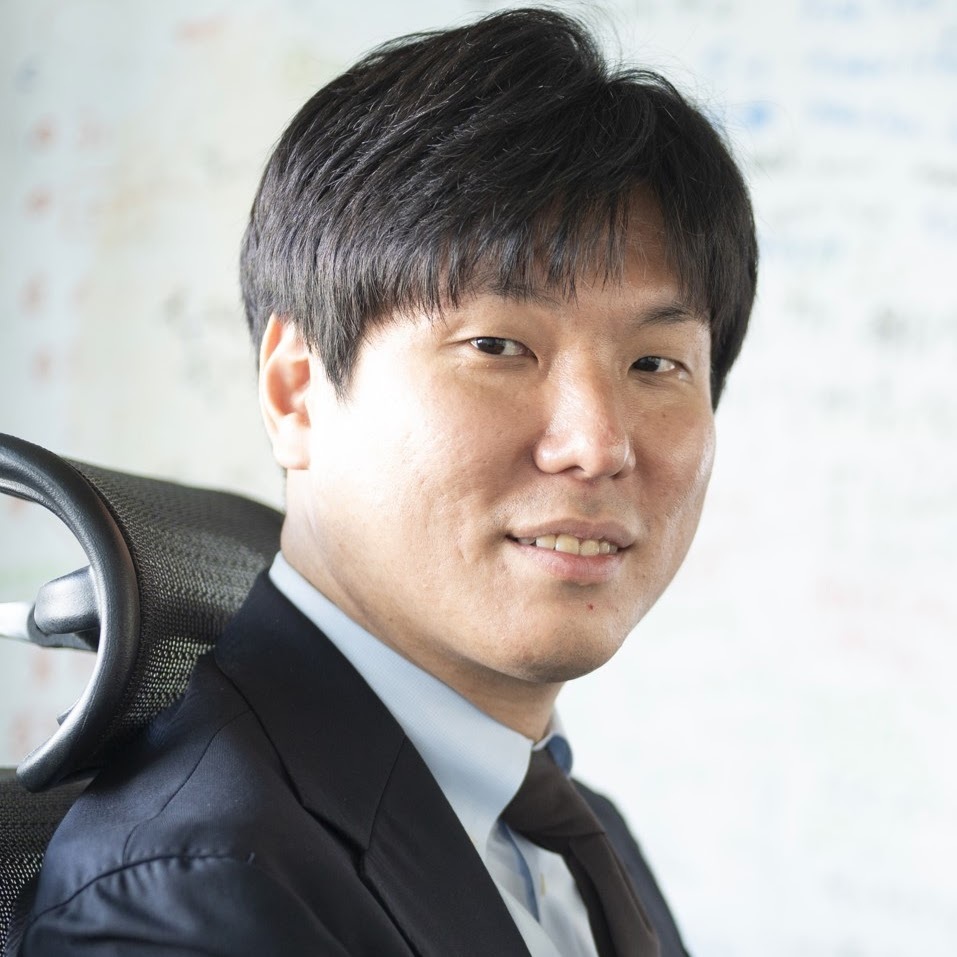
Yonghoon Ji
Associate ProfessorHokkaido University
Yonghoon Ji received the B.S. degrees in mechanical engineering and in computer engineering from Kyunghee University, Seoul, South Korea, in 2010, the M.S. degree in mechatronics from Korea University, Seoul, in 2012, and the Ph.D. degree in precision engineering from The University of Tokyo, Tokyo, Japan, in 2016.
From 2016 to 2018, he was an overseas Researcher under the Postdoctoral Fellowship of Japan Society for the Promotion of Science with the Department of Precision Engineering, The University of Tokyo. From 2018 to 2020, he was an Assistant Professor with the Department of Precision Mechanics, Chuo University, Tokyo, Japan. Since September 1, 2026, he has been with the Division of Systems and Information Science, Faculty of Information Science and Technology, Hokkaido University, Sapporo, Japan. His research interests include mobile robotics, autonomous vehicles, and marine robotics. Dr. Ji is a Member of JSME, RSJ, SICE, and KROS.
Contact: Room 4-12, Graduate School of Information Science and Technology Building, Hokkaido University, Kita 14, Nishi 9, Kita-ku, Sapporo, Hokkaido, Japan
Pathak Sarthak
Associate ProfessorShibaura Institute of Technology
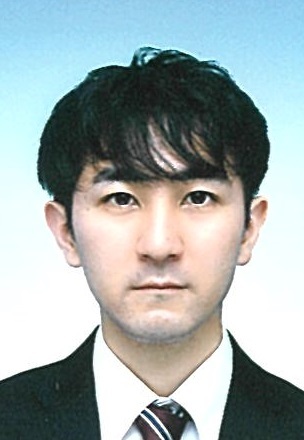
Shunsei Takarabe
PhD StudentJAIST
Oka Kume
Master StudentJAIST